※本記事にはアフィリエイト広告を含みます。
(本記事は登山時の疲労メカニズムを解説する一般的な情報であり、医学的診断を行うものではありません。強い頭痛、吐き気、意識障害、歩行困難などがある場合は、速やかに下山し、必要に応じて医療機関に相談してください。)
「筋肉痛でもないのに、なぜか動けない」
登山の後半、こんな感覚を覚えたことはないでしょうか。
足は重い。でも、けいれんしているわけでも、膝が痛いわけでもない。
ただ——なんとなく、動きたくない。一歩が出ない。
これは「気合が足りない」せいでも「体力不足」のせいでもありません。
脳と神経系が疲弊したとき、体はこういう反応を示します。1
この状態を 中枢疲労(central fatigue) と呼びます。2
前回の記事(登山後半に「足が終わる」のは筋力不足ではない|神経筋疲労という視点)では、神経筋疲労の全体像と「制御精度の低下」という視点を紹介しました。
今回は、その中でも脳・中枢神経系側の疲れに絞って掘り下げます。
中枢疲労とは何か
疲労には大きく2種類あります。
- 末梢疲労:筋肉・関節・腱など「末端」の疲れ。筋肉痛や筋内の代謝変化による疲労感などがこれにあたります。
- 中枢疲労:脳・脊髄など「中枢神経系」の疲れ。筋肉への指令を出す側が参ってしまった状態です。3
中枢疲労が起きると、筋肉そのものは動けるポテンシャルを残していても、脳からの「動け」という指令が弱くなります。4
出力が落ちるのではなく、出力しようとする意志と司令塔が先に音を上げる——そういうイメージです。

中枢疲労では、筋肉より先に「指令を出す側」が疲弊する
登山で中枢疲労が進みやすい条件
中枢疲労は、次の条件が重なったときに加速します。5

登山は4つの中枢疲労促進条件が重なりやすい環境
暑熱
体温が上昇すると、脳はパフォーマンスを意図的に抑制しようとします。6
これは体を守るための防御反応ですが、登山者にとっては「なぜかやる気が出ない」「判断が遅い」として現れます。
夏の低山や日差しの強い稜線歩きで、特に顕著です。
低酸素
標高が上がると、脳への酸素供給量が減ります。
神経系は酸素消費量が多いため、低酸素環境では中枢疲労が早まります。7
これは3,000m級の高山に限った話ではなく低い山でも影響が出ることがあります(※高山病との混同については後述)。
睡眠不足
前夜の寝不足は、中枢疲労を最初から加速させます。8
早立ちのために睡眠を削るのは、出発前から「指令塔」を弱らせた状態で山に向かうことになります。
単調な反復動作
同じ動作を長時間繰り返すと、神経系には「飽き」に似た疲労が蓄積します。9
登りのリズムが続いたあとに難しい下りが来る——このギャップが、神経系に大きな負荷をかけます。
シャリバテと神経伝達の関係
「シャリバテ」という言葉は登山者にはおなじみですが、「お腹が空いた」だけではない場合があるので注意が必要です。
脳の主要なエネルギー源はブドウ糖です。
血糖値が下がると、神経伝達物質の合成・放出が滞り、中枢疲労が一気に加速します。10
足が重くなるより先に、思考が遅くなる・判断が曖昧になるという形で現れることが多いです。
また、夏場の発汗でナトリウムが失われると、神経と筋肉の間の「命令伝達」自体が不安定になります。11
水だけを補給して電解質が希釈された状態(低ナトリウム血症)は、筋肉のけいれんだけでなく、神経系の誤作動を引き起こすことがあります。12
特に夏の長時間行動では、水分と電解質をセットで補給することが重要です。13
補給のタイミングは「空腹を感じてから」では遅い。
血糖値と電解質は、下がり始めてから体感するまでにラグがある、という認識が大切です。14
カフェインが効く理由
山行中にコーヒーや眠眠打破が効いた、という経験がある方も多いと思います。
カフェインはアデノシン受容体をブロックすることで、脳が「疲れた」と感じるシグナルを一時的に遮断します。15
末梢の筋肉疲労そのものには作用しませんが、中枢疲労への効果は研究でも確認されています。16
ただし、あくまで「疲労感を感じにくくする」のであって、「疲労を取り除く」わけではありません。17
効果が切れたとき、隠れていた疲労が一気に出てくることもあります。
補助的な手段として使うのが賢明です。
(カフェインの摂りすぎは動悸・不眠・胃部不快感を招くことがあるため、普段から慣れている量の範囲でのご利用をお勧めします。)
高山病との見分け方
「頭がぼんやりする」「動く気がしない」は、中枢疲労と高山病初期の症状が重なります。18
| 中枢疲労 | 高山病(初期) | |
|---|---|---|
| 頭痛 | 軽度・なしが多い | 伴う事が多い |
| 吐き気 | なし | あり |
| 安静後の改善 | 改善しやすい | 改善しにくい(標高を下げる必要がある) |
| 発症タイミング | 後半に多い傾向 | 到着直後〜数時間後 |
低い標高帯(2,000m以下)で頭痛・吐き気がなく、単純に動けない感覚であれば、中枢疲労の可能性が高いです。19
ただし、少しでも疑わしければ下山を優先してください。20

中枢疲労は体を酷使させないため、脳のブレーキでもあります
対策:中枢疲労を遅らせるために
① 糖質補給は「予防的」に
30〜45分おきに少量ずつ補給するのが基本です。21
おにぎり1個を休憩時に食べるより、小さなゼリーや羊羹を歩きながらこまめに摂る方が、血糖値を安定させやすいです。22
② 電解質を忘れない
夏場・長時間行動では、水に加えて電解質タブレットや経口補水液を活用してください。23
発汗量が多い日ほど、意識的な補給が必要です。
③ 休憩の「質」を上げる
止まって休むだけでなく、神経系を回復させる休憩が重要です。
- 眺めの良い場所でぼんやりする(視覚からの刺激を減らす)
- 同じ姿勢で座り続けず、軽いストレッチで体をほぐし血流を促す
- 食べ物・水分を補給してから再出発する
④ 精神的負荷を分散する
ルートが長くなるほど、「まだこんなにある」という心理的プレッシャーが中枢疲労を加速させます。24
「次の分岐まで」「あの岩まで」と区切って歩くなど、ネガティブになりすぎないペース配分を意識することで、疲労の蓄積は変わってきます。
まとめ
「筋肉は残ってるのに動かない」——その感覚の正体は、脳と神経系の疲弊です。25
暑熱・低酸素・睡眠不足・シャリバテ・電解質不足が重なる登山後半は、中枢疲労が進む条件がそろいやすい環境です。26
筋肉を鍛えるだけでは防げない疲労があることを知っておくだけで、補給や休憩の取り方が変わります。
次回は、神経系の疲弊が「足の置き場の感覚」を狂わせ、転倒リスクを高めるメカニズムを取り上げます。
→ 第三回「登山中の「踏み外し」は事故の予兆|固有感覚の低下と転倒リスク」

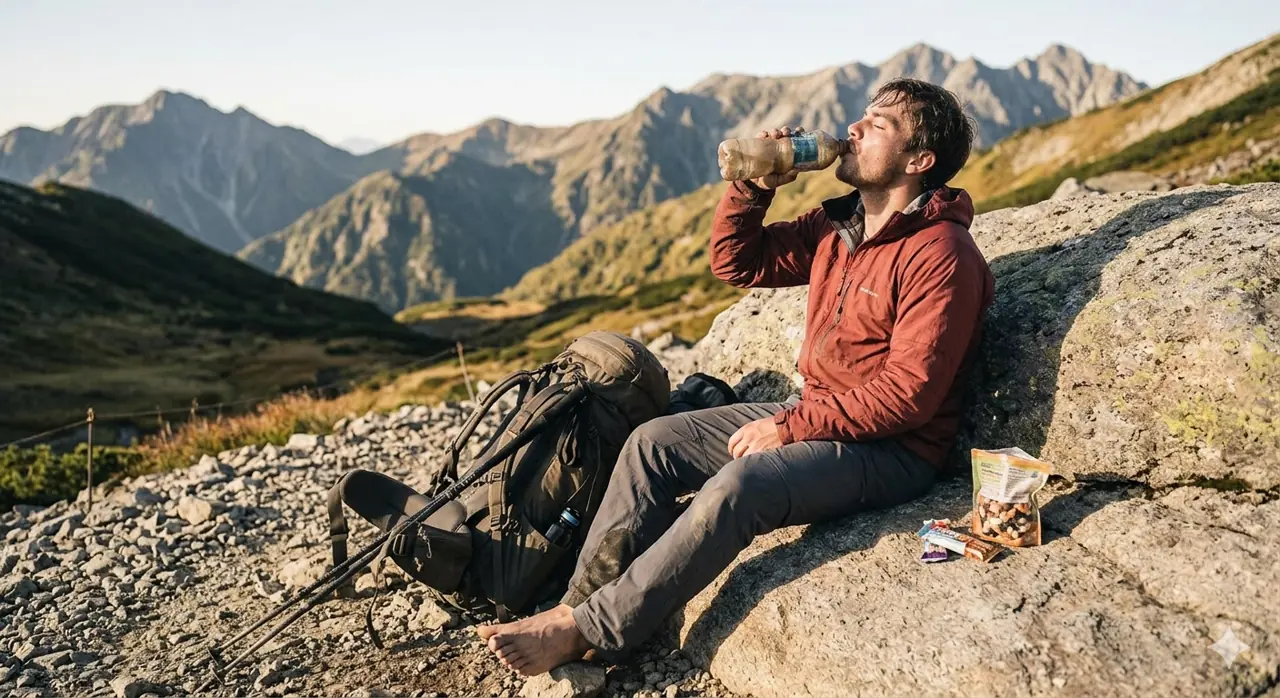
中枢疲労には質の高い休憩を
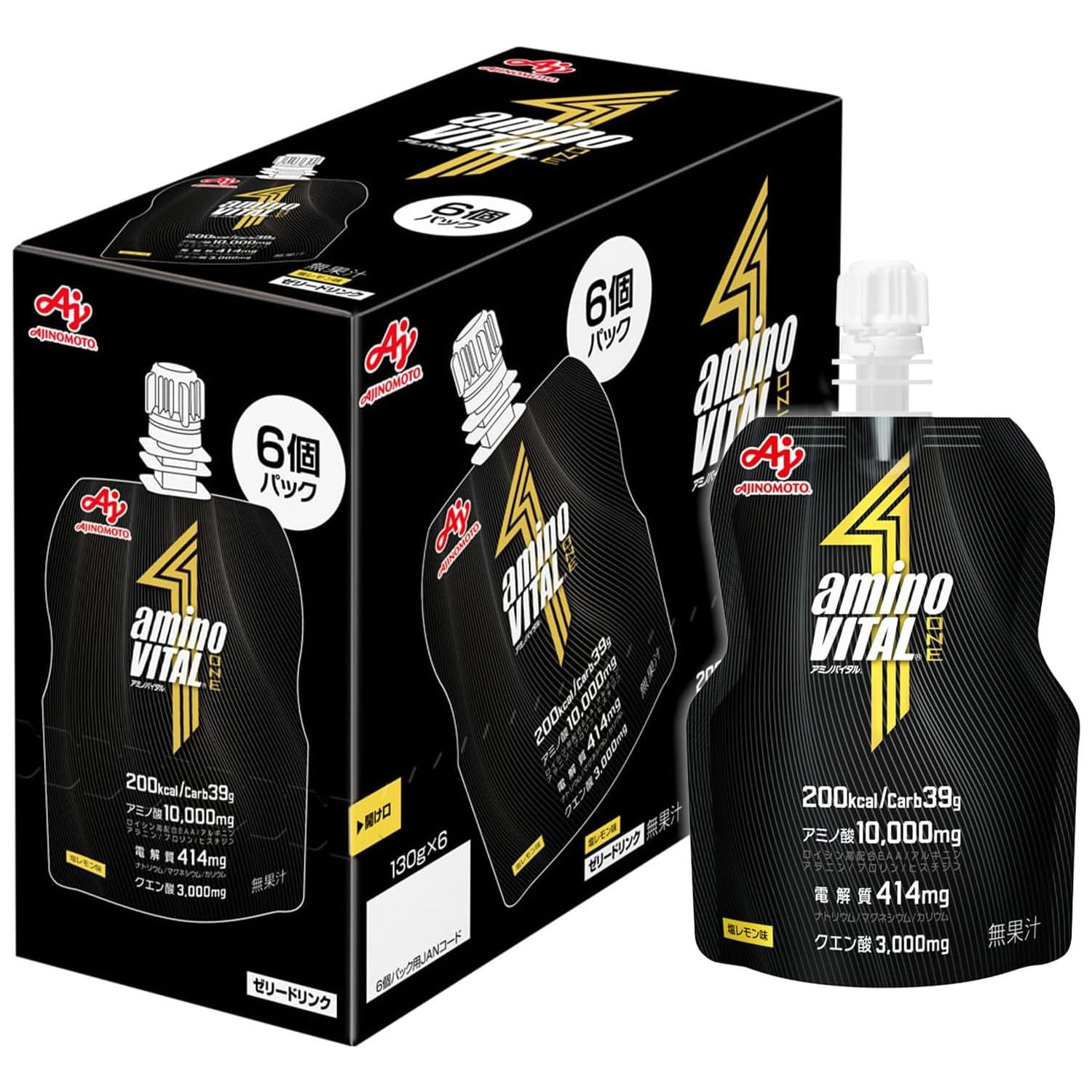
シリーズ「登山と神経筋疲労」の記事
- 導入編:登山後半に「足が終わる」のは筋力不足ではない|神経筋疲労という視点
- 第一回:下りで脚が壊れていく理由|伸張性収縮と神経負荷の話
- 第二回:脚は残ってるのに動かない|登山後半の「中枢疲労」とは何か
- 第三回:登山中の「踏み外し」は事故の予兆|固有感覚の低下と転倒リスク
※リンク先で購入いただくと、当ブログの運営費の一部になります。
関連記事
- 登山後の汗冷え対策チェックリスト|下山〜車内〜帰宅まで完全網羅(体温管理との接続)
Youtube
出典
出典対応表(クリックで開きます)
| 本文の主張 | 脚注番号 | Reference ID |
|---|---|---|
| 脳・神経系の疲弊で体が動きにくくなる | 1 | CORE-02, CORE-03 |
| この状態は中枢疲労と呼ばれる | 2 | CORE-28 |
| 中枢疲労は脳・脊髄など中枢神経系側の疲労である | 3 | CORE-02, CORE-03 |
| 筋肉の余力があっても脳からの運動指令が弱くなる | 4 | CORE-02, CORE-03 |
| 長時間運動では中枢疲労が進みやすい | 5 | CORE-01, CORE-04 |
| 高体温で脳が運動パフォーマンスを抑制する | 6 | CORE-22 |
| 低酸素環境は中枢疲労を早めうる | 7 | CORE-25 |
| 睡眠不足は運動・認知機能を悪化させる | 8 | CORE-23 |
| 単調な反復動作でも神経系疲労が蓄積する | 9 | CORE-01, CORE-03 |
| 低血糖は神経伝達と中枢疲労に影響する | 10 | CORE-15, CORE-28 |
| 発汗による電解質喪失は神経筋伝達を不安定化しうる | 11 | CORE-17 |
| 低ナトリウム血症は神経系の異常を招きうる | 12 | CORE-18 |
| 夏の長時間行動では水分と電解質の同時補給が重要 | 13 | CORE-17, CORE-18 |
| 補給は空腹感が出る前の予防的実施が望ましい | 14 | CORE-15, CORE-16 |
| カフェインはアデノシン受容体を介して疲労感に作用する | 15 | CORE-24, CORE-28 |
| カフェインは中枢疲労関連のパフォーマンス維持に有用 | 16 | CORE-24 |
| カフェインは疲労を除去するのではなく感じにくくする | 17 | CORE-24 |
| 中枢疲労と高山病初期は症状が重なりうる | 18 | CORE-25 |
| 低標高帯で頭痛や吐き気が乏しければ中枢疲労の可能性もある | 19 | CORE-25, CORE-02 |
| 高山病が疑わしければ下山優先が原則 | 20 | CORE-25 |
| 糖質は30〜45分おきの少量補給が有効な戦略 | 21 | CORE-15, CORE-16 |
| こまめな補給は血糖の安定に役立つ | 22 | CORE-16 |
| 夏場・長時間行動では電解質補給を併用すべき | 23 | CORE-17, CORE-18 |
| 心理的プレッシャー管理はペーシング上重要 | 24 | CORE-19, CORE-01 |
| 動けない感覚の背景には中枢神経系の疲弊がある | 25 | CORE-02, CORE-28 |
| 暑熱や睡眠不足などが重なると中枢疲労が進みやすい | 26 | CORE-22, CORE-23 |
更新履歴
- 2026/06/13 脚注(文献リンク)、出典対応表の追加。本文の軽微な修正。
Gandevia SC. Spinal and supraspinal factors in human muscle fatigue. 2001. https://doi.org/10.1152/physrev.2001.81.4.1725 (Reference ID: CORE-02); Taylor JL, Amann M, Duchateau J, Meeusen R, Rice CL. Neural contributions to muscle fatigue: from the brain to the muscle and back again. 2016. https://doi.org/10.1249/MSS.0000000000000923 (Reference ID: CORE-03) ↩︎ ↩︎
Meeusen R, Watson P, Hasegawa H, Roelands B, Piacentini MF. Central fatigue: the serotonin hypothesis and beyond. 2006. https://doi.org/10.2165/00007256-200636100-00006 (Reference ID: CORE-28) ↩︎ ↩︎
Gandevia SC. Spinal and supraspinal factors in human muscle fatigue. 2001. https://doi.org/10.1152/physrev.2001.81.4.1725 (Reference ID: CORE-02); Taylor JL, Amann M, Duchateau J, Meeusen R, Rice CL. Neural contributions to muscle fatigue: from the brain to the muscle and back again. 2016. https://doi.org/10.1249/MSS.0000000000000923 (Reference ID: CORE-03) ↩︎ ↩︎
Gandevia SC. Spinal and supraspinal factors in human muscle fatigue. 2001. https://doi.org/10.1152/physrev.2001.81.4.1725 (Reference ID: CORE-02); Taylor JL, Amann M, Duchateau J, Meeusen R, Rice CL. Neural contributions to muscle fatigue: from the brain to the muscle and back again. 2016. https://doi.org/10.1249/MSS.0000000000000923 (Reference ID: CORE-03) ↩︎ ↩︎
Enoka RM, Duchateau J. Muscle fatigue: what, why and how it influences muscle function. 2008. https://doi.org/10.1113/jphysiol.2007.139477 (Reference ID: CORE-01); Millet GY, Lepers R. Alterations of neuromuscular function after prolonged running, cycling and skiing exercises. 2004. https://doi.org/10.2165/00007256-200434020-00004 (Reference ID: CORE-04) ↩︎ ↩︎
Nybo L, Nielsen B. Hyperthermia and central fatigue during prolonged exercise in humans. 2001. https://doi.org/10.1152/jappl.2001.91.3.1055 (Reference ID: CORE-22) ↩︎ ↩︎
Luks AM, Auerbach PS, Freer L, et al. Wilderness Medical Society Clinical Practice Guidelines for the Prevention and Treatment of Acute Altitude Illness: 2019 Update. 2019. https://doi.org/10.1016/j.wem.2019.04.006 (Reference ID: CORE-25) ↩︎ ↩︎
Fullagar HHK, Skorski S, Duffield R, Hammes D, Coutts AJ, Meyer T. Sleep and athletic performance: the effects of sleep loss on exercise performance, and physiological and cognitive responses to exercise. 2015. https://doi.org/10.1007/s40279-014-0260-0 (Reference ID: CORE-23) ↩︎ ↩︎
Enoka RM, Duchateau J. Muscle fatigue: what, why and how it influences muscle function. 2008. https://doi.org/10.1113/jphysiol.2007.139477 (Reference ID: CORE-01); Taylor JL, Amann M, Duchateau J, Meeusen R, Rice CL. Neural contributions to muscle fatigue: from the brain to the muscle and back again. 2016. https://doi.org/10.1249/MSS.0000000000000923 (Reference ID: CORE-03) ↩︎ ↩︎
Thomas DT, Erdman KA, Burke LM. Nutrition and Athletic Performance. 2016. https://doi.org/10.1249/MSS.0000000000000852 (Reference ID: CORE-15); Meeusen R, Watson P, Hasegawa H, Roelands B, Piacentini MF. Central fatigue: the serotonin hypothesis and beyond. 2006. https://doi.org/10.2165/00007256-200636100-00006 (Reference ID: CORE-28) ↩︎ ↩︎
Sawka MN, Burke LM, Eichner ER, Maughan RJ, Montain SJ, Stachenfeld NS. American College of Sports Medicine position stand. Exercise and fluid replacement. 2007. https://doi.org/10.1249/mss.0b013e31802ca597 (Reference ID: CORE-17) ↩︎ ↩︎
Hew-Butler T, Rosner MH, Fowkes-Godek S, et al. Statement of the Third International Exercise-Associated Hyponatremia Consensus Development Conference, Carlsbad, California, 2015. 2015. https://doi.org/10.1097/JSM.0000000000000221 (Reference ID: CORE-18) ↩︎ ↩︎
Sawka MN, Burke LM, Eichner ER, Maughan RJ, Montain SJ, Stachenfeld NS. American College of Sports Medicine position stand. Exercise and fluid replacement. 2007. https://doi.org/10.1249/mss.0b013e31802ca597 (Reference ID: CORE-17); Hew-Butler T, Rosner MH, Fowkes-Godek S, et al. Statement of the Third International Exercise-Associated Hyponatremia Consensus Development Conference, Carlsbad, California, 2015. 2015. https://doi.org/10.1097/JSM.0000000000000221 (Reference ID: CORE-18) ↩︎ ↩︎
Thomas DT, Erdman KA, Burke LM. Nutrition and Athletic Performance. 2016. https://doi.org/10.1249/MSS.0000000000000852 (Reference ID: CORE-15); Stellingwerff T, Cox GR. Systematic review: carbohydrate supplementation on exercise performance or capacity of varying durations. 2014. https://doi.org/10.1139/apnm-2014-0027 (Reference ID: CORE-16) ↩︎ ↩︎
Grgic J, et al. International Society of Sports Nutrition position stand: caffeine and exercise performance. 2021. https://doi.org/10.1186/s12970-020-00383-4 (Reference ID: CORE-24); Meeusen R, Watson P, Hasegawa H, Roelands B, Piacentini MF. Central fatigue: the serotonin hypothesis and beyond. 2006. https://doi.org/10.2165/00007256-200636100-00006 (Reference ID: CORE-28) ↩︎ ↩︎
Grgic J, et al. International Society of Sports Nutrition position stand: caffeine and exercise performance. 2021. https://doi.org/10.1186/s12970-020-00383-4 (Reference ID: CORE-24) ↩︎ ↩︎
Grgic J, et al. International Society of Sports Nutrition position stand: caffeine and exercise performance. 2021. https://doi.org/10.1186/s12970-020-00383-4 (Reference ID: CORE-24) ↩︎ ↩︎
Luks AM, Auerbach PS, Freer L, et al. Wilderness Medical Society Clinical Practice Guidelines for the Prevention and Treatment of Acute Altitude Illness: 2019 Update. 2019. https://doi.org/10.1016/j.wem.2019.04.006 (Reference ID: CORE-25) ↩︎ ↩︎
Luks AM, Auerbach PS, Freer L, et al. Wilderness Medical Society Clinical Practice Guidelines for the Prevention and Treatment of Acute Altitude Illness: 2019 Update. 2019. https://doi.org/10.1016/j.wem.2019.04.006 (Reference ID: CORE-25); Gandevia SC. Spinal and supraspinal factors in human muscle fatigue. 2001. https://doi.org/10.1152/physrev.2001.81.4.1725 (Reference ID: CORE-02) ↩︎ ↩︎
Luks AM, Auerbach PS, Freer L, et al. Wilderness Medical Society Clinical Practice Guidelines for the Prevention and Treatment of Acute Altitude Illness: 2019 Update. 2019. https://doi.org/10.1016/j.wem.2019.04.006 (Reference ID: CORE-25) ↩︎ ↩︎
Thomas DT, Erdman KA, Burke LM. Nutrition and Athletic Performance. 2016. https://doi.org/10.1249/MSS.0000000000000852 (Reference ID: CORE-15); Stellingwerff T, Cox GR. Systematic review: carbohydrate supplementation on exercise performance or capacity of varying durations. 2014. https://doi.org/10.1139/apnm-2014-0027 (Reference ID: CORE-16) ↩︎ ↩︎
Stellingwerff T, Cox GR. Systematic review: carbohydrate supplementation on exercise performance or capacity of varying durations. 2014. https://doi.org/10.1139/apnm-2014-0027 (Reference ID: CORE-16) ↩︎ ↩︎
Sawka MN, Burke LM, Eichner ER, Maughan RJ, Montain SJ, Stachenfeld NS. American College of Sports Medicine position stand. Exercise and fluid replacement. 2007. https://doi.org/10.1249/mss.0b013e31802ca597 (Reference ID: CORE-17); Hew-Butler T, Rosner MH, Fowkes-Godek S, et al. Statement of the Third International Exercise-Associated Hyponatremia Consensus Development Conference, Carlsbad, California, 2015. 2015. https://doi.org/10.1097/JSM.0000000000000221 (Reference ID: CORE-18) ↩︎ ↩︎
Abbiss CR, Laursen PB. Describing and understanding pacing strategies during athletic competition. 2008. https://doi.org/10.2165/00007256-200838030-00004 (Reference ID: CORE-19); Enoka RM, Duchateau J. Muscle fatigue: what, why and how it influences muscle function. 2008. https://doi.org/10.1113/jphysiol.2007.139477 (Reference ID: CORE-01) ↩︎ ↩︎
Gandevia SC. Spinal and supraspinal factors in human muscle fatigue. 2001. https://doi.org/10.1152/physrev.2001.81.4.1725 (Reference ID: CORE-02); Meeusen R, Watson P, Hasegawa H, Roelands B, Piacentini MF. Central fatigue: the serotonin hypothesis and beyond. 2006. https://doi.org/10.2165/00007256-200636100-00006 (Reference ID: CORE-28) ↩︎ ↩︎
Nybo L, Nielsen B. Hyperthermia and central fatigue during prolonged exercise in humans. 2001. https://doi.org/10.1152/jappl.2001.91.3.1055 (Reference ID: CORE-22); Fullagar HHK, Skorski S, Duffield R, Hammes D, Coutts AJ, Meyer T. Sleep and athletic performance: the effects of sleep loss on exercise performance, and physiological and cognitive responses to exercise. 2015. https://doi.org/10.1007/s40279-014-0260-0 (Reference ID: CORE-23) ↩︎ ↩︎